E-Archive

 BACK
BACK
From the World of Blasting
in Vol. 26 - March Issue - Year 2025
Optimizing Shotblast Machine Efficiency: A Quick Guide
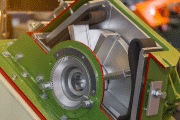
Figure 1: Typical Shot Blast Wheel
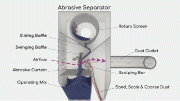
Figure 2: Typical Airwash Separator
Shotblasting is an essential process for cleaning, strengthening, and preparing metal parts in many industries. The efficiency of the shotblast machine plays a key role in improving productivity, reducing waste, and minimizing energy consumption. Here’s a streamlined guide to optimizing your shotblast system’s performance, focusing on both the wheel and separator.
- Lock Out and Tag Out: Before starting any maintenance, always lock out and tag out the shotblast machine to ensure safety.
- Check and Replace Worn Parts: Inspect components such as tune-up kits, feed hoses, abrasive valves, and feed spouts. Worn or damaged parts can restrict abrasive flow to the wheel, causing inefficiencies. Replace any faulty parts to maintain proper function.
- Ensure Full Abrasive Levels: Make sure the machine is filled to the proper level with abrasive. Low abrasive levels can result in inaccurate amperage readings and inconsistent wheel performance.
- Check Amperage Readings: With the machine running, use a clamp-on meter to check each motor’s amperage inside the electrical panel. Compare these readings with the machine’s meters to ensure accuracy. If necessary, adjust the readings or replace components.
- Adjust Amps via Abrasive Valve: Once the amperage readings are confirmed, adjust the abrasive valve to dial in the amps of each wheel. Aim for 85-100% of the motor’s rated Full Load Amps. Avoid relying on the maintenance gates for metering—these should remain fully open.
- Monitor for Amp Fluctuations: Run the machine for several minutes and monitor the amperage for fluctuations. If fluctuations occur while the machine is fully loaded, check the reclaim system, including the elevator and augers, for any issues that could be affecting abrasive flow.
- Check Blast Pattern: With the machine properly loaded, place a metal target in the expected blast path and run each wheel individually for 30-60 seconds. Use a thermal camera to check the blast pattern, ensuring the hottest point is around 5:00-5:30 in relation to the center of the wheel. Adjust the wheel’s pattern as necessary.
Optimizing the Separator
- Clean Lower Screen and Baffles: Ensure the separator’s lower screen is free of clogs. Use a screwdriver to remove any debris from under the swing baffle (avoid using hands to prevent injury).
- Adjust Baffles for Complete Curtain: Check that the abrasive forms evenly across the separator opening. If there are gaps, adjust the slide or swing baffle to create a complete curtain. This helps ensure efficient separation of fines and dust.
- Maintain Proper Curtain Thickness: The curtain of abrasive should be just thick enough to slightly obscure what’s behind it when at full flow. This balances airflow and abrasive cleaning efficiency.
- Dial in Operating Mix: Use a sieve kit to check the abrasive sizing. If the mix is balanced and minimal useful abrasive is in the discard, no further adjustments are needed. However, if you notice excessive discard, adjust airflow or the separator’s scalping plate accordingly.
- Monitor Dust Collector: Any changes to the separator can affect airflow throughout the system. Continuously check the dust collector to ensure no abrasive is being pulled into it, which could cause inefficiency.
Conclusion
Optimizing the shotblast machine’s wheel and separator ensures a smoother, more cost-effective operation. By checking and adjusting key components, such as abrasive flow, amperage settings, and blast patterns, manufacturers can boost productivity, reduce downtime, and extend equipment life. Whether working with large- or small-scale operations, maintaining shotblast machine efficiency is crucial for long-term success.
Contact:
chris.prouty@winoa.com
Contributing Editor for MFN and Technical Advisor at Winoa